
Blog
How to prepare for a move: a practical checklist
A fuller step-by-step plan before moving day — timeline, packing, large items, kids/pets, and how the morning should run.
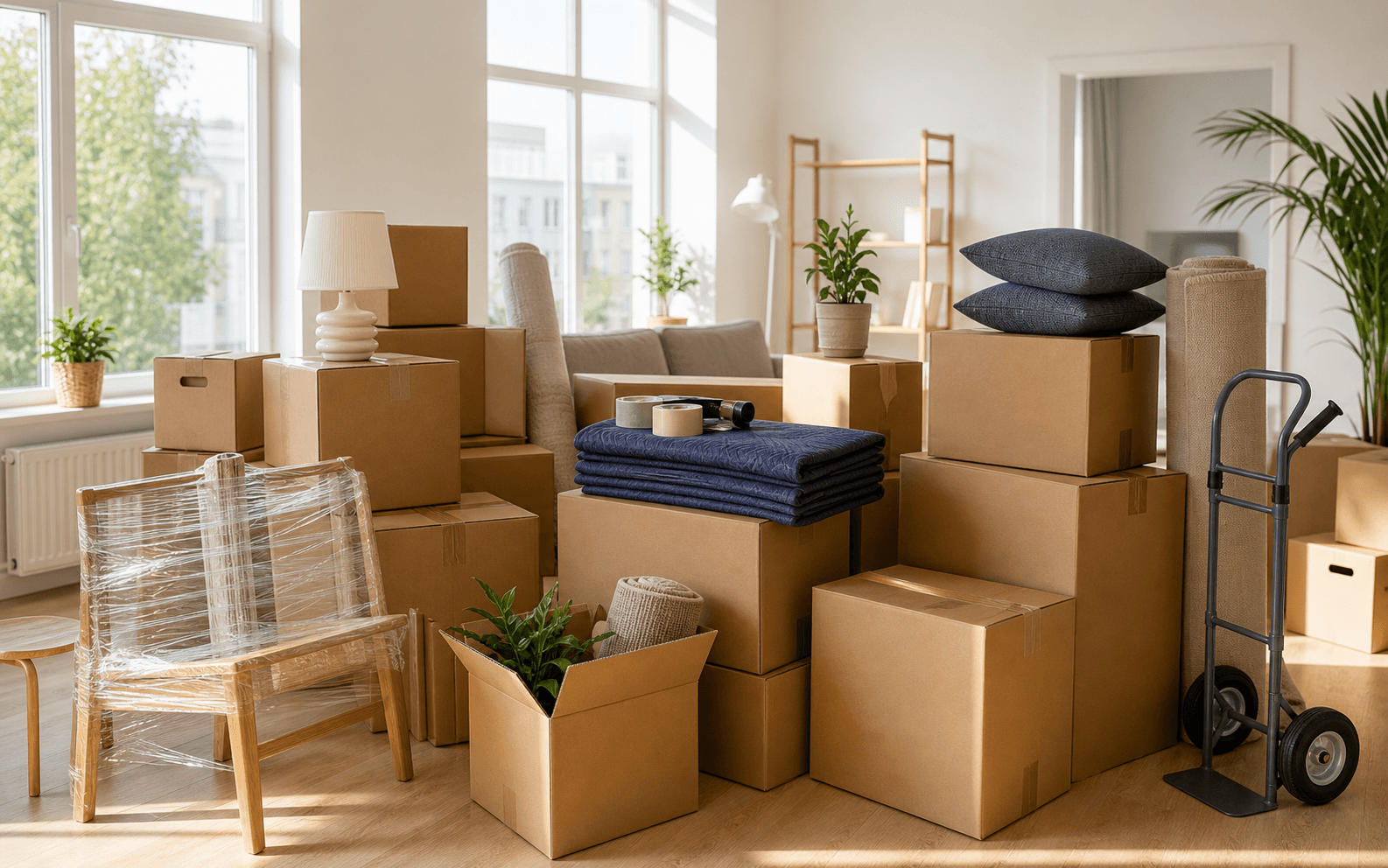
A good move does not start when the van arrives — it starts with calm preparation. The clearer the plan, the faster and more efficient the job, and the safer your belongings arrive. Below is a practical timeline you can adapt to your flat or house.
The goal is not to do everything in one evening, but to split the work into small steps. That means less stress, fewer breakages, and fewer “where did that box go?” moments.
2–3 weeks before
- Decide what moves with you and what you will sell, donate or dispose of.
- Stock boxes in different sizes, stretch wrap, tape, bubble wrap and a marker.
- List large items: piano, fridge, sofa, safe, large TV, gym equipment.
- Check lift booking and stairwell access at both addresses.
- Request a quote with addresses, floors, volume and any special conditions.
- If needed, notify the building association about moving day and the lift.
- Start with rarely used spaces: storage, cellar, guest room, garage.
If you are moving further in Harju County or to another town, also plan address changes: bills, parcel lockers, doctor, school, internet. That is not part of the moving service, but it reduces chaos afterwards.
1 week before
- Pack most clothes, books, kitchenware and decor.
- Leave only everyday items open: a few outfits, toiletries, medicine, chargers.
- Defrost the freezer in time so water is not a problem on moving day.
- Take down pictures and shelves you can safely remove yourself.
- Pack a “first night bag”: bedding, towels, bathroom kit, kettle, plates, chargers.
- If you have children or pets, agree who will look after them while the team works.
3 days before
- Finish packing everyday items almost completely.
- Label boxes with room and contents (e.g. “Kitchen – dishes”).
- Protect furniture corners, glass and mirrors.
- If possible, reserve parking for the van outside.
- Keep documents, medicine, keys and valuables in a bag that travels with you.
- Make a short list of what must be easy to reach at the new place.
How to pack smarter
Heavy items (books, jars) go in small boxes. Light, bulky items (pillows, duvets) go in larger ones. Do not leave boxes half-empty — they crush more easily. Wrap dishes and glass in paper or towels and mark the box “FRAGILE”.
- Do not mix rooms in one box — unpacking will be much faster.
- Put cables and small parts in a bag and tape them to the furniture or label clearly.
- Bag drawer contents rather than leaving them loose.
- If something is especially valuable or sentimental, tell the team in advance.
On moving day
- Be present or appoint someone with keys who can guide the team.
- Do a quick sweep before the van leaves: cupboards, balcony, cellar, storage, bathroom cabinets.
- At the new place, show where large items should go first.
- Get heavy furniture and appliances in place before unloading boxes.
- Keep the “first night bag” separate so you are not opening ten boxes that evening.
- If something is placed wrong, say so immediately — moving it later is harder.
After the move
Start with the rooms you need first: bedroom, bathroom, kitchen. You can unpack the rest calmly over the following days. If you notice damage, photograph it and report it straight away so the situation is clear for everyone.
We can also help with packing, dismantling and reassembling furniture. Describe addresses, floors and larger items in your enquiry for a clearer quote.